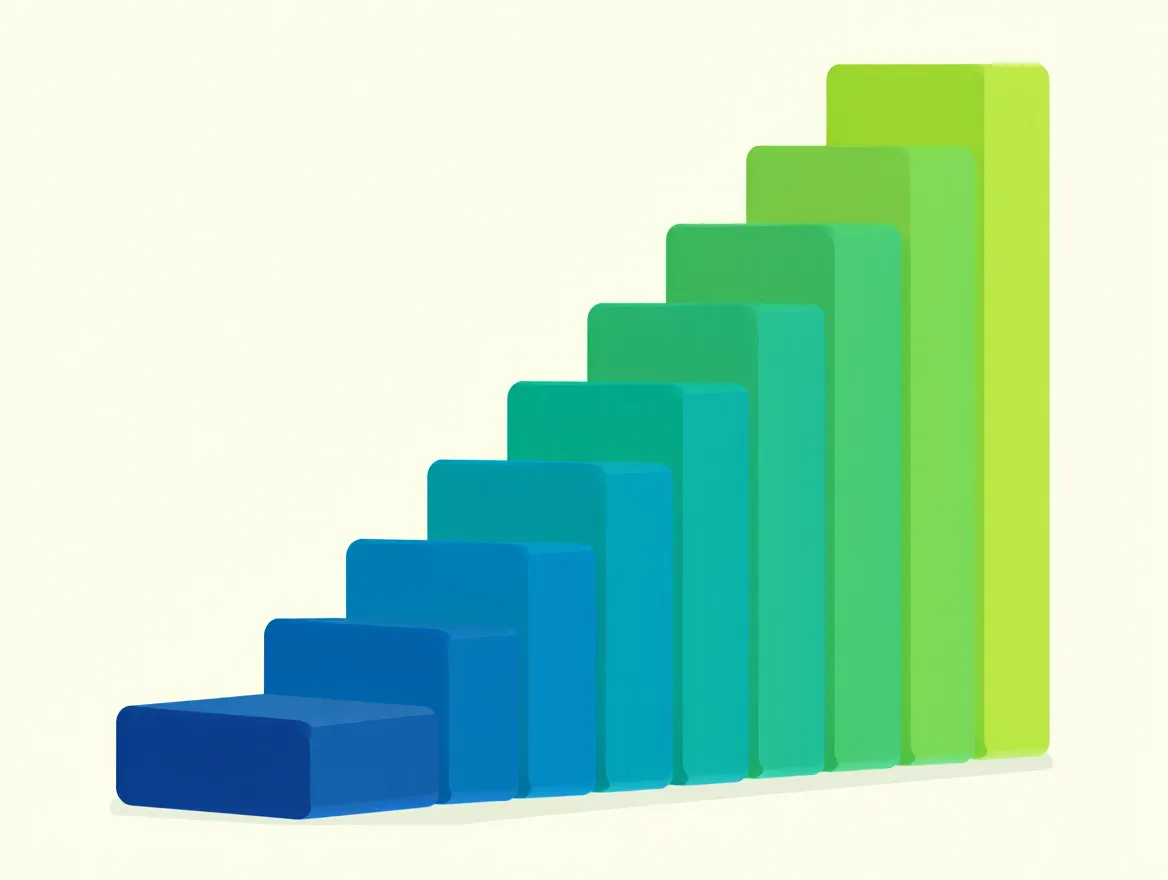
Gradual Growth
Meaningful change happens incrementally. Start with small adjustments and allow them to naturally expand over time without forcing rapid transformation.
A structured, gradual approach to forming daily routines that support long-term well-being and personal balance. Small, consistent steps create meaningful change over time.

Sustainable habits are not built through intensity or pressure. They develop gradually, through small repeated actions that become part of your natural daily rhythm.
This approach focuses on creating a flexible framework rather than rigid rules. Each person adapts the structure to their own pace, preferences, and lifestyle, making the process both personal and achievable.
The goal is consistency over perfection. By focusing on what feels manageable and repeatable, you create a foundation that supports growth without burnout.
These core ideas shape the framework for building habits that support a comfortable and sustainable life rhythm.
Meaningful change happens incrementally. Start with small adjustments and allow them to naturally expand over time without forcing rapid transformation.
Routines should adapt to your life, not the other way around. A flexible structure allows you to maintain consistency even when circumstances shift.
Well-being comes from balance across different areas of life. Rather than focusing on one dimension, the approach considers the whole picture of daily living.
When habits are built gradually and maintained consistently, they become a natural part of your daily experience.
A consistent routine may reduce decision fatigue and help create a more predictable rhythm throughout your day.
For many people, regular patterns can support clearer thinking and reduce the mental load of constantly planning each action.
Consistent habits may help distribute effort more evenly for some people, supporting steadier energy rather than frequent peaks and crashes.
Each small habit builds on the previous one, creating a layered system that grows naturally over time.
Well-established routines may offer more stability during challenging periods and can serve as a helpful anchor point.
Addressing multiple areas of daily life may contribute to a more complete and sustainable sense of personal balance over time.
A simple four-step framework for integrating new habits into your existing daily routine.
Start by noticing your existing daily patterns. Understanding your current flow is the foundation for meaningful, lasting adjustments.
Select a single area where a small change would feel manageable. Narrowing focus increases the likelihood of follow-through.
Introduce the new habit alongside an existing routine. Attach it to something you already do consistently to reduce friction.
Periodically reflect on what is working and what needs adapting. Flexibility keeps the system sustainable and prevents rigidity.
A balanced day includes intentional transitions between different types of activity and rest.
Begin with a brief, consistent action that signals the start of your day and sets a calm tone.
Dedicate focused intervals to your primary activities, with intentional pauses between them.
Use the middle of the day as a transition point to recalibrate energy and shift focus.
Conclude with a gradual reduction in stimulation, preparing for quality rest and recovery.
Explore different dimensions of daily life where small, consistent habits make a meaningful difference.
Build awareness around eating patterns and food choices. Focus on regularity, variety, and shared meals as part of your rhythm.
Incorporate movement naturally into your day. Walking, stretching, or light activity can be integrated into existing routines.
Establish consistent sleep patterns and intentional rest periods. Quality recovery supports all other areas of daily function.
Regular journaling or quiet reflection helps track patterns, identify what works, and adjust your approach over time.
Nurture relationships through regular, low-effort touchpoints. Consistent social interactions contribute to overall balance.
Shape your physical spaces to support your habits. Small environmental adjustments can reduce friction and reinforce positive patterns.
Tracking habits is not about measuring performance. It is about noticing patterns, understanding your rhythm, and recognizing consistency over time.
Simple observation, without judgment, helps you see which habits have taken root and which areas might benefit from small adjustments.

Illustrative examples of how a gradual approach can feel in everyday life.
Experiences and outcomes are individual and may vary. This content is for illustration only and does not guarantee specific results.
"The gradual approach made all the difference. Instead of overwhelming myself with changes, I started with one small morning routine and built from there."
Stockholm, Sweden
"What I appreciate most is the emphasis on flexibility. The framework adapts to my changing schedule rather than demanding rigid adherence."
Gothenburg, Sweden
"Having distinct daily phases has helped me manage my energy much better. The transitions between activities feel more natural and intentional now."
Malmö, Sweden
Research suggests that habit formation varies widely between individuals and behaviors; timelines often span weeks or longer, and automaticity is not guaranteed. The key is consistency rather than speed.
Not at all. The framework is designed to be flexible. You adapt the structure to fit your existing lifestyle and adjust as needed. Rigid scheduling often leads to abandoning habits when disruptions occur.
Missing a single day does not reset your progress. The focus is on the overall pattern of consistency, not on maintaining a perfect streak. Simply resume the next day without judgment.
We recommend starting with one habit at a time. Once that becomes part of your natural routine, you can introduce another. Trying to change too many things simultaneously often reduces the likelihood of any of them sticking.
The framework is designed to be adaptable to different lifestyles, schedules, and preferences. Since each person customizes the approach to their own situation, it may suit many people and circumstances, but it is not a substitute for professional advice when you need it.
This approach emphasizes comfort, flexibility, and long-term sustainability over rapid results. There is no pressure to perform, no tracking streaks, and no rigid programs. The focus is on creating a personal rhythm that feels natural.
Have a question or want to share your experience? Send us a message and we will get back to you.
This website provides only general lifestyle and well-being information for educational purposes. It does not constitute medical, psychological, nutritional, or other professional advice, diagnosis, or treatment. Always consult qualified professionals before making decisions that affect your health or personal situation. We make no guarantees regarding outcomes from applying any ideas on this site.